

At the same time when cinephiles treating Christopher Nolan’s Odyssey as a pilgrimage, from debating premium-format screens, seat maps, projection systems, to the closest possible approximation of “Nolan intended”, Chinese audiences have found another cinematic event: Niu Lai.
Its dialogue is stilted, its characters oddly proportioned, its compositions improvised, and its landscapes resemble an eccentric picture book assembled from rudimentary digital objects. The film does not obfuscate its limitations with speed, surface detail, or professional smoothness. Its jankiness is conspicuous, so are the seams.
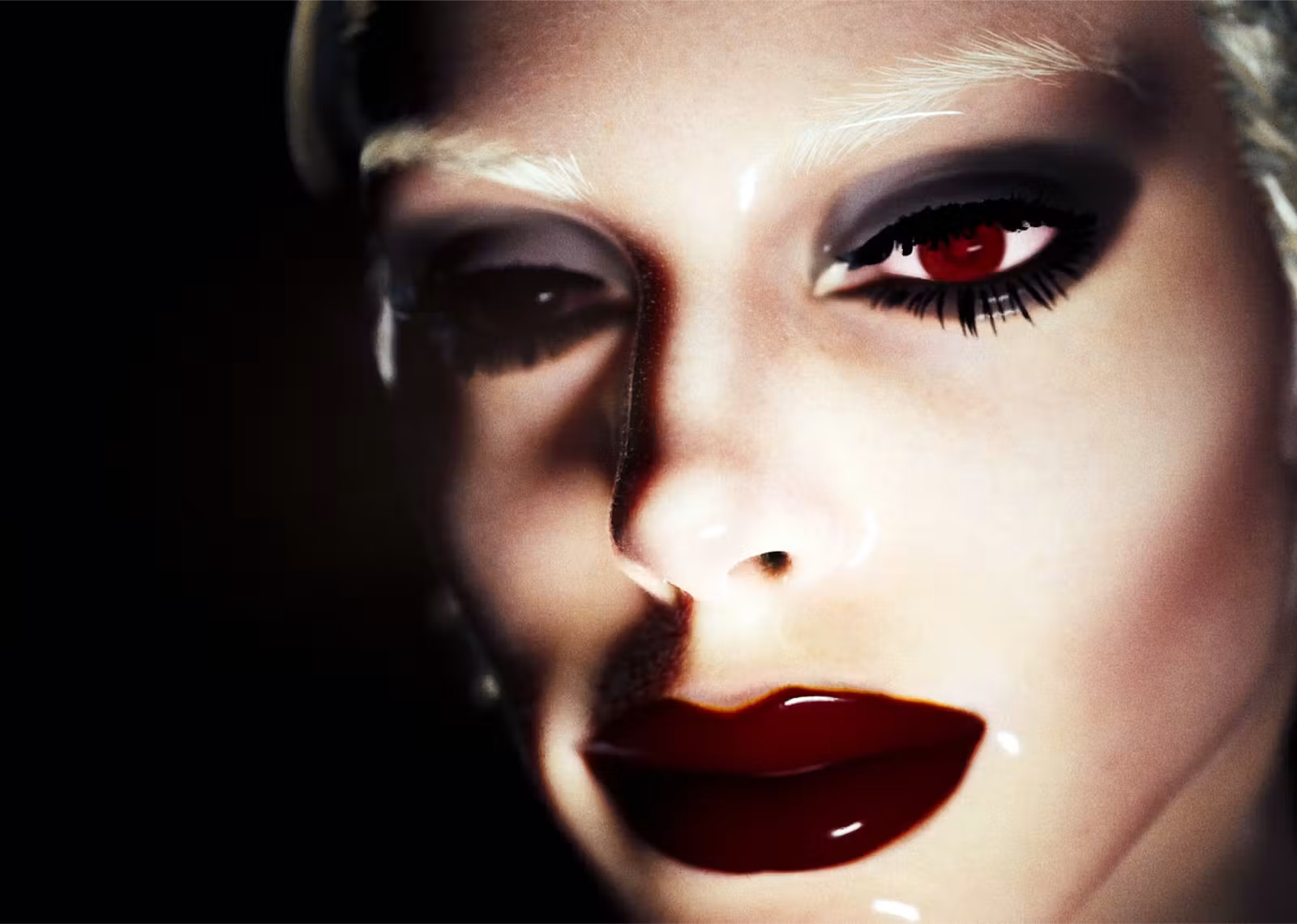
From roughly ¥7,000 in its first ten days to more than ¥30 million within weeks, Niu Lai became an improbable Chinese box-office phenomenon through organic online circulation rather than a conventional marketing campaign. It began with fewer than 300 ticket buyers nationwide, before clips, jokes, reactions, and its own unlikely backstory began to coalesce on social media. By early September, it had grossed more than ¥60 million, drawing more than two million moviegoers.
Niu Lai was made over five years by a mother-and-son team from Dalian. Xin Yumeng, a landscape designer with no formal animation training, directed, modelled, animated, edited, and voiced the film’s young calf protagonist. Rather than using a professional animation suite, he made the 86-minute feature in SketchUp, an architectural modelling programme, on secondhand equipment. His mother, Sun Lifang, co-wrote the story, performed voices, and composed and sang the end-credit theme.
Xin has described choosing story over rendering precision: “If we focused all our energy on rendering precision, this film would never have been made. Between perceiving details and the overall narrative, I chose to let the story run first.”
Its visual limitations are precisely what make it culturally mobile. As Hito Steyerl writes in “In Defense of the Poor Image,” the poor image is “a copy in motion”. Low-resolution, degraded, unstable, compressed, and stripped of the prestige associated with an original. Yet it gains another kind of power through circulation. It can be copied, reposted, cropped, subtitled, remixed, recontextualized, and passed between audiences. Its value shifts away from technical fidelity toward velocity, accessibility, intensity, and collective use.
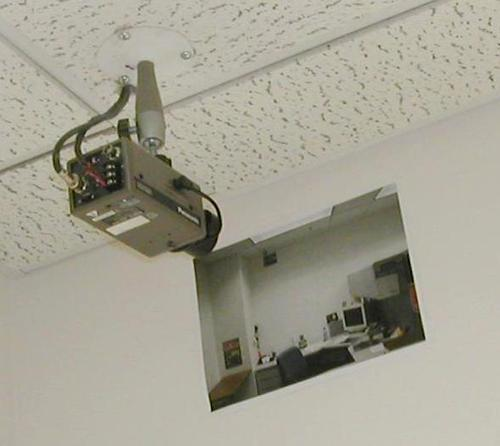
Cinema has long treated projection quality as a sacred condition of spectatorship: the correct screen, the correct sound system, the correct format, the correct seat. Niu Lai is not literally a compressed video file passed between platforms. It is, after all, an 86-minute film playing in commercial cinemas. It appears to have no right to occupy the space of theatrical prestige, but somehow makes that mismatch its attraction. A visibly degraded-looking film is screened in major cinemas, and its very incompatibility with the expected standards of the venue becomes a joke, an affection, and an invitation to participate.
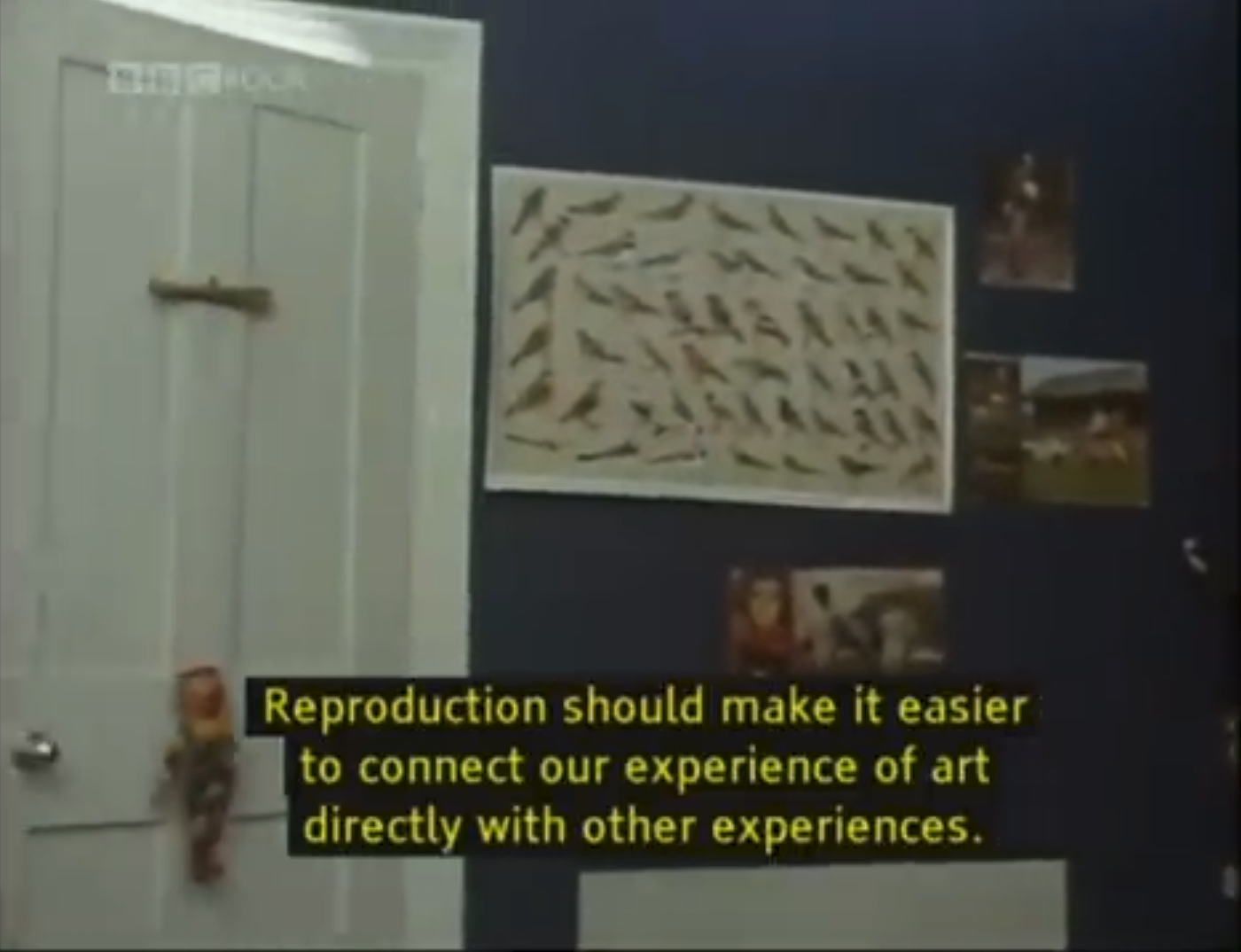
Visual quality is never neutral. High resolution tends to arrive imbued with institutional authority, professional expertise, private ownership, and restricted access, while poor image travels through more porous, unruly routes. Niu Lai does not surpass the hierarchy of images so much as slip sideways out of it.
Re- Watching the Odyssey as Christopher Nolan intended. pic.twitter.com/QRfZcHAm4E
— Tayo💕 (@aderayo_xo1) August 9, 2026
Online, the film became even more mobile. Viewers excavated its production story, debated its strange picture-book visual world, assigned psychological depth to its characters, and created remixes that extended its meaning beyond the feature itself. Brands also moved quickly to borrow clips and references, and the more consequential shift had already taken place, where audiences made the film culturally legible on their own terms.
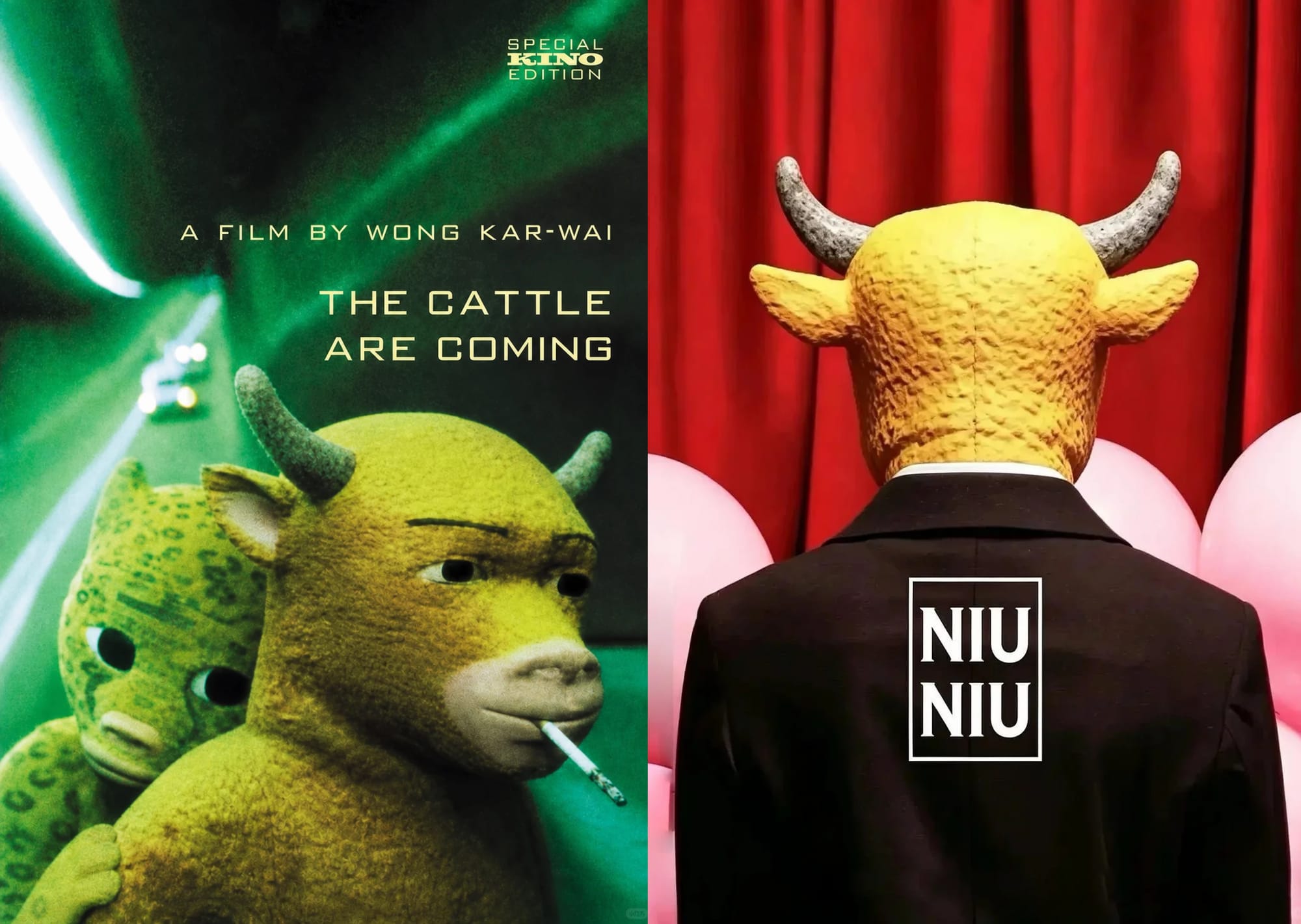
The success of Niu Lai does not announce the end of the blockbuster, nor does it negate the pleasures of a meticulously projected IMAX spectacle. There is still something genuinely thrilling about cinema at its most technically ambitious. But the simultaneous appetite for premium-format spectacle and the low-fi cult of Niu Lai suggests that audiences are no longer willing to accept technical mastery as a guarantee of cultural meaning.
A film can be “correct” in every industrial sense, high-resolution, immaculately rendered, perfectly marketed, shown in the right format, and still fail to become socially alive. Meanwhile, a mother-and-son project made in the jankiest software, with visible seams and an compressed visual world, can become a bona fide event.